In the realm of facility management, maintaining the integrity and performance of campus roofs is a critical priority. The vastness and complexity of university and college campuses, with their multiple buildings and extensive infrastructure, demand innovative solutions for timely and effective maintenance. One such solution that is gaining prominence is aircraft infrared scanning for roof inspections. This technique not only provides comprehensive insights into roof conditions but also proves to be cost-effective in the long run.
The Criticality of Campus Roof Maintenance
Campus roofs are not just architectural features; they are vital components that protect significant investments in infrastructure. Ensuring they are well-maintained is essential for preventing damage, avoiding costly repairs, and maintaining energy efficiency. Facility managers must adopt proactive approaches to roof maintenance to avoid unexpected failures that can disrupt operations and increase expenses.
Traditional methods of roof inspection, such as manual walk-throughs and visual inspections, may miss underlying issues not visible to the naked eye. This limitation underscores the need for advanced techniques like infrared inspections that can detect hidden problems before they escalate.
What is Aircraft Infrared Scanning?
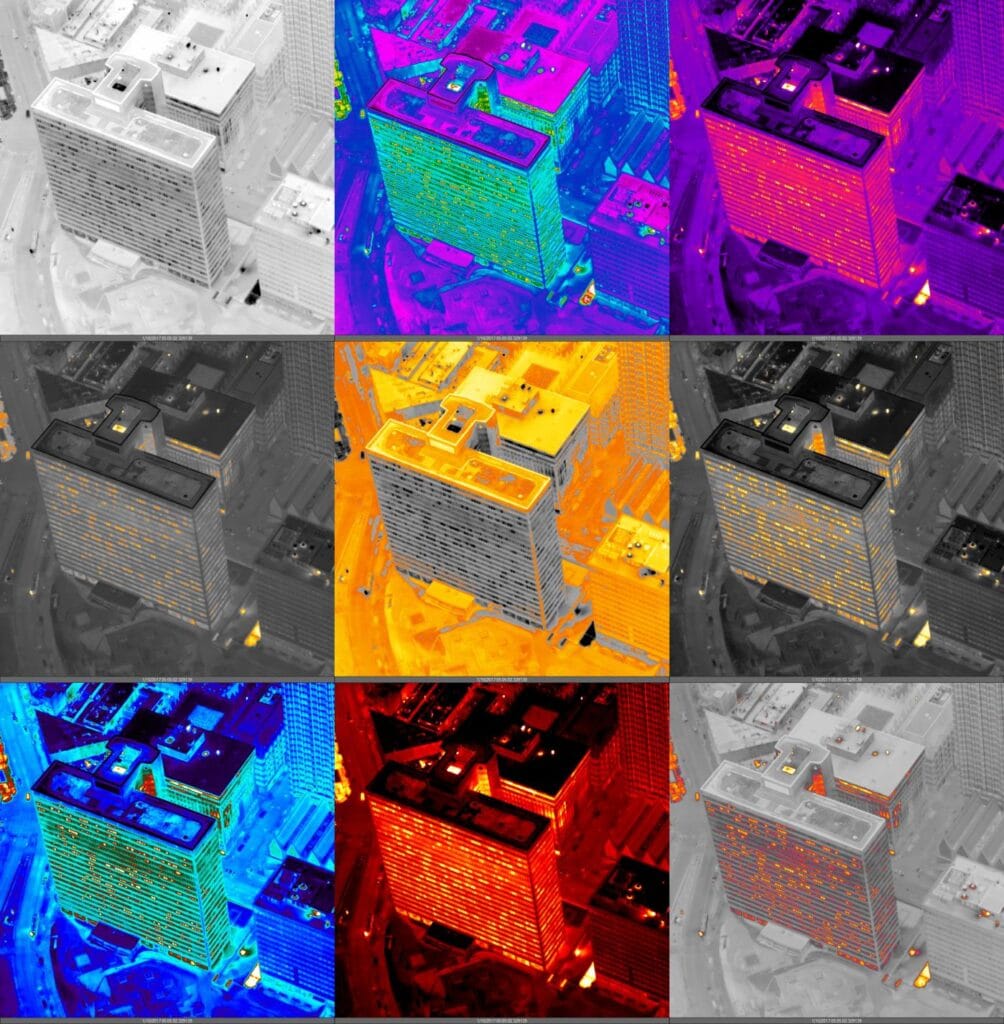
Aircraft infrared scanning involves using specialized thermal imaging cameras mounted on aircraft to capture infrared data over large areas. This method provides a bird’s-eye view of the campus, identifying temperature variations that may indicate roof moisture, wet insulation, or other anomalies. The thermal images produced reveal issues that are not detectable through conventional inspection methods.
AIT Scan, a leader in nationwide infrared inspection services, utilizes aircraft-based infrared scanning to conduct comprehensive assessments of large-scale facilities such as university campuses. This approach is particularly effective for multi-building inspections, offering a level of coverage and detail that is difficult to achieve with other methods.
Evaluating the Cost-Effectiveness
The initial investment in aircraft infrared scanning can lead to significant long-term savings. By identifying problems early, facility managers can prioritize repairs and maintenance, avoiding the high costs associated with extensive damage. Additionally, the ability to conduct large-scale inspections quickly reduces labor costs and minimizes operational disruptions.
Moreover, by integrating infrared scanning into regular maintenance schedules, campuses can enhance their predictive maintenance strategies, leading to more efficient capital planning and asset management. This proactive approach ensures that resources are allocated effectively, further enhancing cost savings.
Comparing Inspection Methods
While drones and handheld devices are popular alternatives for infrared inspections, aircraft-based scanning offers distinct advantages, especially for large campuses. Drones may be limited by battery life and range, while handheld devices require extensive manual labor. In contrast, aircraft can cover vast areas quickly and efficiently, providing a comprehensive view of the entire campus in a single flight.
For more insights on the benefits of aircraft-based infrared scanning over drone inspections, visit AIT Scan’s detailed comparison.
Real-World Applications
The applications of aircraft infrared scanning extend beyond roof inspections. For instance, it can be used for underground steam leak detection, a common issue in campuses with extensive steam heating systems. Detecting these leaks early can prevent energy loss and reduce maintenance costs significantly.
Furthermore, AIT Scan’s services also include solar field infrared surveys, which are crucial for maintaining the efficiency and performance of solar installations. By identifying underperforming panels or connections, campuses can optimize their renewable energy investments.
Explore AIT Scan’s comprehensive services for more information: AIT Scan Nationwide Infrared Inspection.
Enhancing Roof Warranty Inspections
Infrared scanning is also invaluable for roof warranty inspections. By providing detailed data on the condition of roofing materials, it supports warranty claims and ensures compliance with warranty terms. This can be particularly beneficial for campuses planning roof renovations or replacements.
For an in-depth understanding of how infrared thermography enhances roof warranty inspections, visit AIT Scan’s guide to roof warranty inspections.
Conclusion
Aircraft infrared scanning emerges as a powerful tool in the arsenal of campus facility managers. It offers unparalleled insights into roof conditions, enabling timely maintenance and repair decisions that save costs and enhance asset longevity. By integrating this technology into routine maintenance practices, campuses can significantly improve their infrastructure management strategies. For those looking to leverage this technology, AIT Scan provides expert services tailored to the needs of large commercial and educational facilities. To explore how these services can benefit your campus, consider a consultation with AIT Scan.