In the realm of facility management and asset maintenance, the adage ‘prevention is better than cure’ holds particularly true. For those responsible for large commercial buildings and infrastructure systems, integrating advanced techniques into routine inspections can significantly impact asset longevity and operational efficiency. One such state-of-the-art method is the use of advanced infrared thermography techniques in roof warranty inspections. By identifying potential failures before they escalate, facility managers and decision-makers can enhance maintenance strategies and optimize capital planning.
Understanding Roof Warranty Inspections and Their Importance
Roof warranty inspections are critical in ensuring the longevity and structural integrity of a building. These inspections confirm that the roofing system is performing as expected and that any potential issues are identified and addressed before they lead to costly repairs. The traditional methods of roof inspections often involve physical walkthroughs which can be time-consuming and may not detect subsurface anomalies.
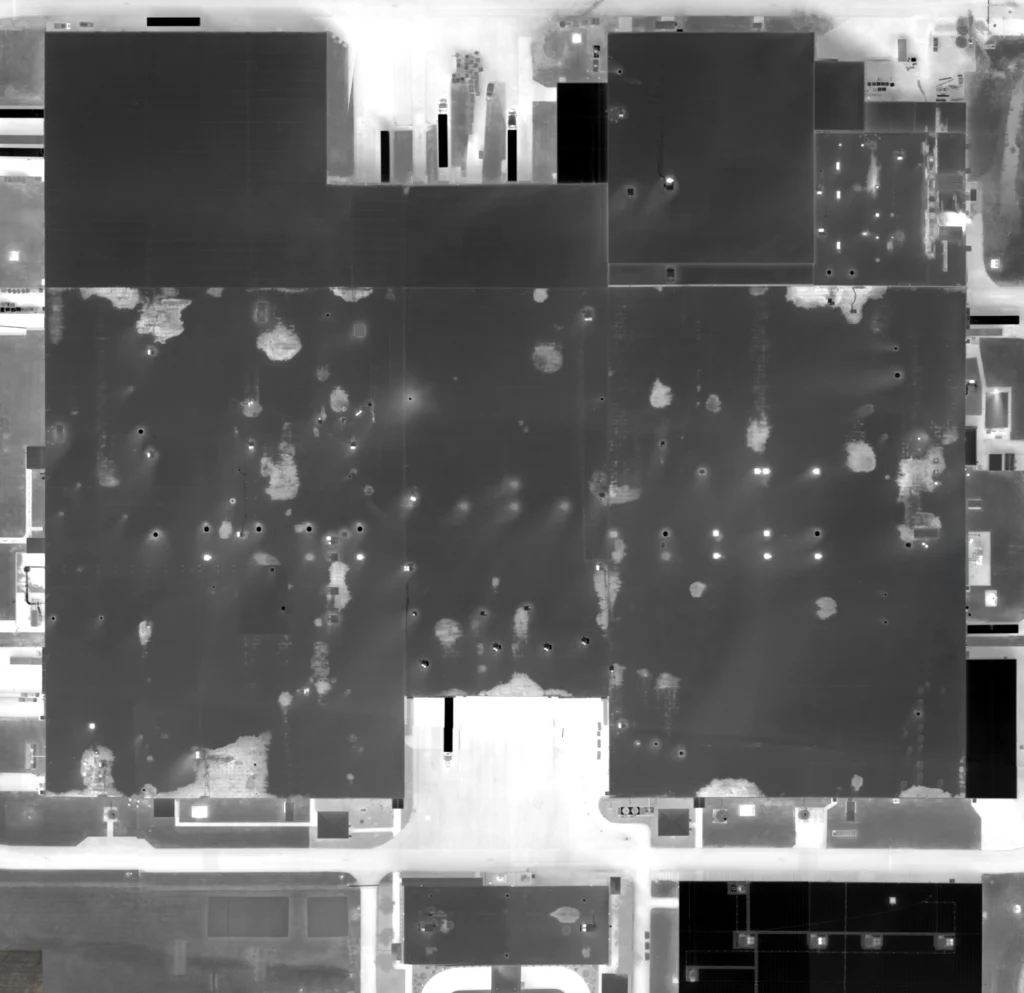
Infrared thermography, particularly aerial infrared scanning, offers a non-invasive, comprehensive view of the roof’s condition. This technology detects temperature variations on the roof surface, indicating moisture intrusion, insulation issues, or structural defects. By incorporating aerial infrared surveys in routine inspections, facility managers can maintain a proactive stance on maintenance, ensuring that the roof remains in optimal condition throughout its warranty period.
Integrating Advanced Infrared Thermography into Inspections
The integration of advanced infrared thermography techniques into roof warranty inspections involves several key steps:
- Pre-Inspection Planning: Before any aerial infrared survey, it’s crucial to define the scope of the inspection. This includes identifying the specific areas of concern, understanding the roof’s history, and setting the objectives for the thermographic survey.
- Execution of the Survey: Leveraging aircraft-based infrared scanning, companies like AIT Scan conduct aerial infrared roof scans that cover large areas efficiently. This method allows for the detection of thermal anomalies that indicate potential issues such as wet insulation or structural weaknesses.
- Data Analysis and Reporting: Post-survey, the infrared data is analyzed to identify areas of concern. Comprehensive reports are generated, highlighting potential issues and offering actionable insights for preventive maintenance.
For more detailed insights on how these techniques can enhance your facility management, explore AIT Scan’s approaches to roof warranty inspections.
Benefits of Aerial Infrared Thermography for Roof Inspections
Aerial infrared thermography offers numerous advantages over traditional inspection methods:
- Comprehensive Coverage: Aircraft-based infrared scanning covers extensive areas quickly, making it ideal for large campuses or distributed infrastructure. This scalability ensures that no section of the roof is overlooked.
- Enhanced Accuracy: Infrared thermography services provide precise identification of thermal anomalies, enabling accurate detection of issues like roof moisture intrusion or insulation defects.
- Cost-Effectiveness: By identifying potential issues early, facility managers can prevent costly repairs, ultimately optimizing budget allocation for maintenance and capital planning.
- Safety and Accessibility: Aerial surveys eliminate the need for physical access to potentially hazardous roof areas, enhancing safety for inspection teams.
Explore more about the advantages of aerial infrared scanning for facility management.
Case Studies: Real-World Applications of Infrared Thermography
Numerous real-world examples illustrate the effectiveness of integrating infrared thermography into roof warranty inspections:
- Large-Scale Commercial Facility: A facility management team for a nationwide retail chain leveraged aerial infrared roof scanning to detect wet insulation across multiple locations. This proactive approach resulted in significant savings on repair costs and reduced operational downtime.
- University Campus Inspection: A comprehensive campus roof moisture survey identified several areas of moisture intrusion that were invisible to the naked eye. The early detection allowed the university to implement targeted repairs, extending the life of their roofing systems.
For further insights on how these technologies are applied in various sectors, consider reviewing AIT Scan’s solar asset management strategies.
Choosing the Right Partner for Infrared Inspection Services
When integrating aerial infrared thermography into your facility’s maintenance strategy, selecting the right partner is paramount. AIT Scan, with over 37 years of experience, stands out as a leader in the field of aircraft-based infrared scanning. Their expertise is not only in conducting thorough inspections but also in providing detailed reports that facilitate informed decision-making.
Whether it’s a predictive maintenance program or a routine roof warranty inspection, AIT Scan provides the insights needed to maintain and protect your assets effectively.
Conclusion: Optimizing Roof Warranty Inspections with Advanced Techniques
Incorporating advanced infrared thermography techniques into roof warranty inspections is a strategic move for any facility manager aiming to enhance maintenance efficacy and asset longevity. By choosing comprehensive and accurate methods such as those offered by AIT Scan, decision-makers can ensure that their facilities remain in top condition, mitigating risks and optimizing maintenance budgets. To explore how AIT Scan can assist your facility, consider reaching out for a consultation to tailor an inspection program suited to your needs.