Nationwide Aerial Infrared Thermography
37+ Years
of Infrared Expertise
50 States
Including Alaska, Hawaii and Puerto Rico
Highest-Quality
Thermal Imaging
Engineered
for Facility Decision-Makers
Capable Aircraft-Based Infrared Surveys for Large-Scale Facilities
AITscan operates fixed-wing aircraft equipped with research-grade infrared sensors for large-area thermal inspection. Aircraft-based infrared surveys are well suited for campuses, municipalities, school districts, utility networks, commercial roof portfolios, solar fields, and other geographically extensive assets where consistent coverage and efficient data collection matter.
A single flight can cover entire university campuses, military installations, multi-school districts, or city-wide utility networks within a coordinated survey window. The combination of proper altitude, sensor wavelength, survey timing, and decades of infrared experience allows AITscan to turn large-scale thermal imagery into actionable information for engineering, maintenance, and capital-planning teams.
AITscan works with facilities directors, plant managers, engineers, energy managers, and infrastructure leaders responsible for complex assets and systems. Our aerial infrared thermography helps these teams identify thermal anomalies, prioritize follow-up investigation, and make better-informed maintenance and capital-planning decisions.
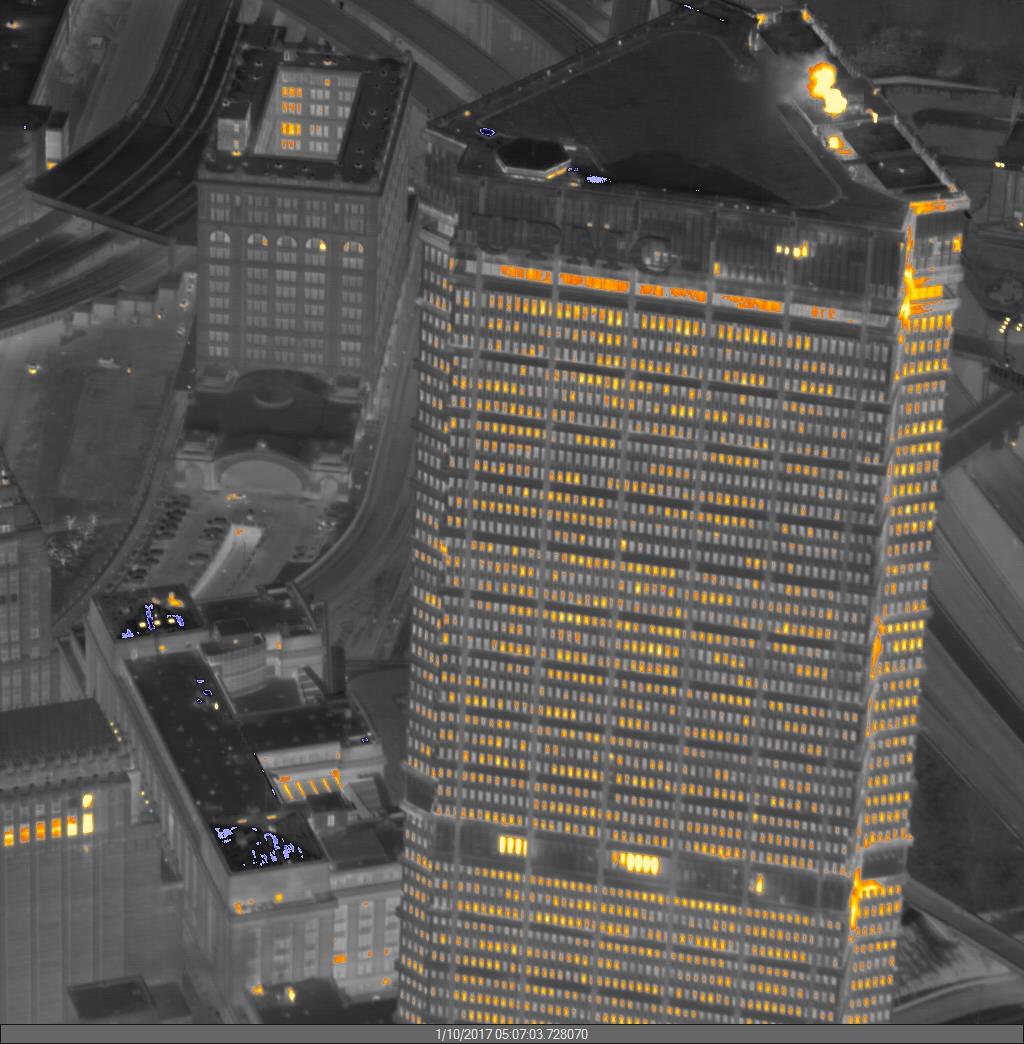
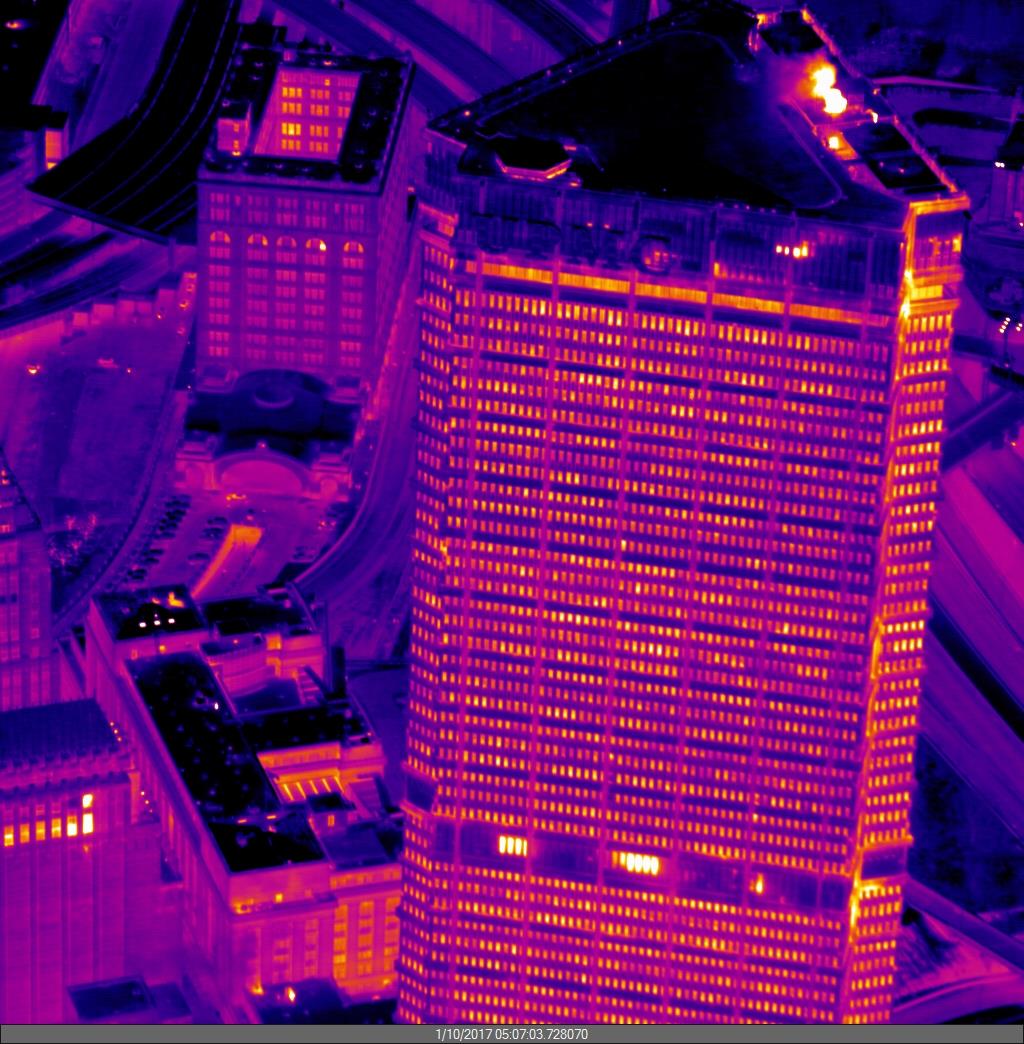
Why Use Aircraft for Aerial Infrared Surveys?
Coverage Per Flight
Sensor Wavelength
Survey Window
Core Aerial Infrared Services
Aerial Infrared Roof Scanning
Identify thermal anomalies associated with trapped subsurface moisture across commercial flat roofs, campuses, school districts, and roof portfolios to support repair planning and capital decisions.
- Learn More
Steam Leak Detection
- Learn More
High-Temp Hot Water Leak Detection
- Learn More
Pollution & Sewer Leak Detection
- Learn More
Solar Field Infrared Surveys
- Learn More
CityScan IR
- Learn More
Wildlife & Animal Surveys
- Learn More
Landfill Fire & Methane Detection
- Learn More
Aerial Infrared Surveys Built for Facilities and Infrastructure
AITscan works with facility leaders, engineers, energy managers, and infrastructure teams responsible for complex buildings and systems. Our aerial infrared surveys are used across campuses, school districts, hospitals, military installations, municipal networks, and commercial property portfolios to support maintenance, inspection, and capital planning.
Military Bases
Hospitals & Health Systems
How an Aerial Infrared Survey Works
01
Initial Project Conversation
02
Technical Net Meeting
03
Flight Planning & Aerial Survey
04
Analysis & Engineering Report
How Aerial Infrared Surveys Support Maintenance and Capital Planning
Small infrastructure failures can become expensive when they remain undetected. For example, an underground steam leak can contribute to substantial annual energy loss, while moisture trapped beneath a commercial roof can increase the scope and cost of future repairs if affected areas are not identified before reroofing or replacement decisions are made.
Depending on steam pressure, leak size, operating hours, and energy costs, even a relatively small steam leak can represent tens of thousands of dollars in annual energy loss. In some operating conditions, a 3/8-inch steam leak may cost approximately $30,000 to $50,000 per year.
AITscan uses aerial infrared surveys to help facility teams locate thermal anomalies across underground steam networks, commercial roofs, solar fields, and other infrastructure so follow-up investigation can be focused where it is most needed. Across campuses and facility portfolios, finding even one significant issue may materially affect maintenance priorities and capital-planning decisions.
Frequently Asked Questions
Depending on the application, aerial infrared surveys can identify thermal anomalies associated with subsurface roof moisture, underground steam and hot-water systems, condensate return lines, sewer or pollution discharges, solar modules and strings, landfill heat sources, and other infrastructure conditions.
Most clients run repeat surveys on a 1–5 year cycle depending on the system being monitored. Aging steam networks and large roof portfolios typically benefit from more frequent inspection cadences.
Each engagement concludes with an engineering-grade report including thermal imagery, location-specific findings, recommended follow-up actions, and supporting documentation your team can use for repair scoping and capital planning.