Introduction
In the realm of large-scale infrastructure evaluations, selecting the right inspection method can significantly impact project outcomes. AIT Scan, with over 37 years of expertise, champions aircraft-based infrared scanning as the superior choice for extensive projects. This article examines why this method excels over drone inspections, particularly in terms of data accuracy and coverage capabilities. By leveraging advanced aerial infrared thermography, AIT Scan provides comprehensive solutions for facility managers, engineers, and asset managers across the United States.
Understanding Infrared Scanning: Aircraft vs. Drone
Infrared scanning is a critical component of modern infrastructure inspection, allowing for the detection of thermal anomalies that indicate potential issues. Both aircraft and drones use infrared thermography to collect data, but the methodologies differ significantly in scope and capability.
Aircraft-Based Infrared Scanning
Aircraft-based infrared scanning uses high-altitude planes equipped with sophisticated infrared sensors to capture thermal data over vast areas. This method is ideal for large-scale projects, offering unparalleled coverage and thermal resolution.
Drone Inspections
Drones provide a more localized approach, ideal for smaller or more confined areas. They are equipped with infrared cameras but are limited by battery life and range, which can restrict their effectiveness in extensive evaluations.
For further details on the differences between these methods, visit aircraft vs. drone aerial thermal inspection.
Data Accuracy and Thermal Resolution
One of the primary advantages of aircraft-based infrared scanning is its superior data accuracy. This method employs high-resolution sensors that capture detailed thermal images, facilitating precise analysis.
Enhanced Thermal Imaging
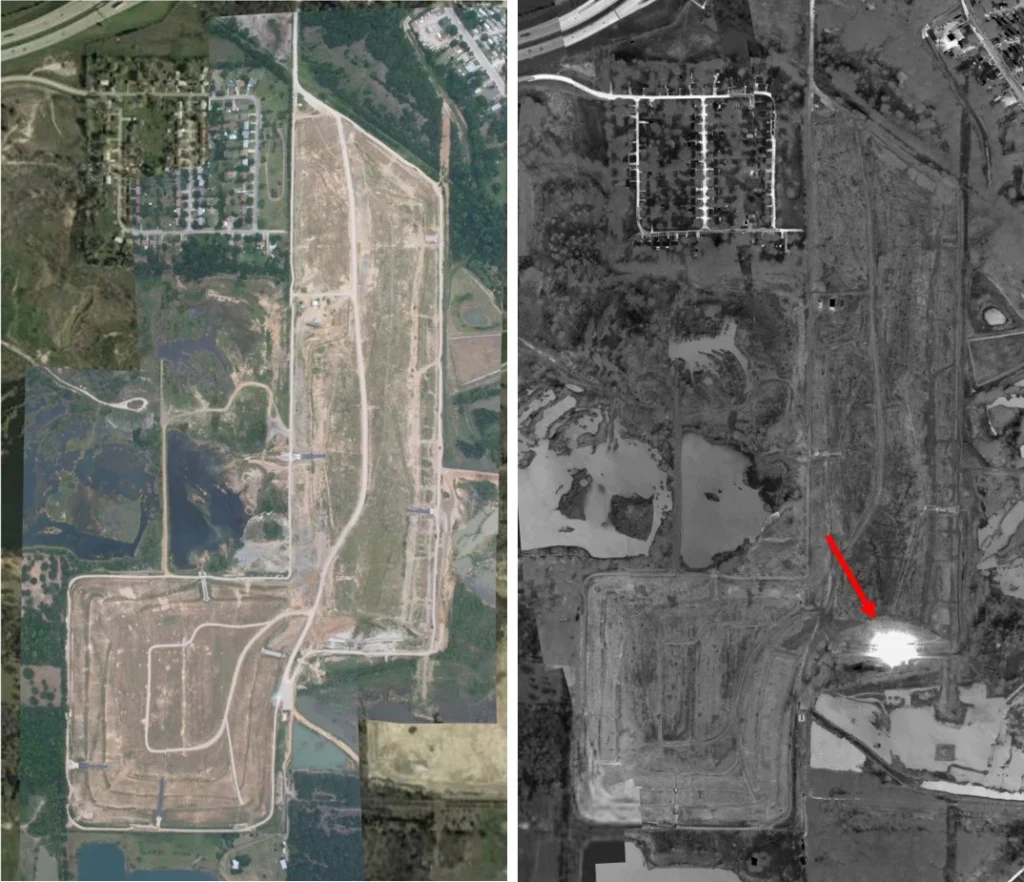
The high-altitude nature of aircraft scanning allows for the use of advanced infrared cameras that deliver clearer and more accurate data. This is crucial for identifying subtle thermal anomalies that might indicate issues such as wet insulation or underground leaks.
- High-resolution thermal imagery
- Ability to detect minor temperature variations
- Comprehensive coverage of large areas in a single flight
These capabilities make aircraft-based scanning particularly effective for large-area infrared scanning and predictive maintenance tasks.
Coverage Capabilities for Large-Scale Projects
When it comes to covering vast areas, aircraft-based infrared scanning outperforms drones by a significant margin. The ability to fly at higher altitudes means that aircraft can survey large tracts of land quickly and efficiently.
Comprehensive Area Assessments
For projects such as campus utility inspections or commercial roof moisture surveys, the extensive reach of aircraft-based scanning allows for a complete evaluation that is both time-efficient and cost-effective. This method is particularly beneficial for:
- Commercial roof portfolio inspections
- Multi-building roof inspections
- University campus infrared surveys
AIT Scan offers extensive aerial infrared roof scanning services that highlight the advantages of aircraft-based methods over drones.
Real-World Applications
Aircraft-based infrared scanning is not just a theoretical advantage; it has proven its efficacy in various real-world scenarios. From detecting underground steam leaks to performing solar field infrared surveys, the applications are vast and varied.
Underground Steam Leak Detection
In campus settings, steam distribution systems are critical for heating. Aircraft-based infrared scanning is particularly effective in detecting underground steam leaks, identifying issues that could lead to significant energy loss and maintenance costs. AIT Scan’s services have been pivotal in maintaining the integrity of these systems, offering comprehensive steam distribution leak detection.
Solar Field Inspections
For solar EPC contractors and asset managers, accurate and comprehensive inspections are vital. Aircraft-based infrared scanning provides a complete overview of solar fields, identifying panel anomalies and ensuring optimal performance. Explore more about solar field infrared surveys provided by AIT Scan.
Maximizing ROI and Efficiency
The objective of any inspection method is to maximize return on investment and operational efficiency. Aircraft-based infrared scanning achieves this by minimizing the need for multiple inspections and reducing downtime.
Reducing Unnecessary Work
By accurately identifying problem areas, this method allows facility managers to focus resources where they are needed most, avoiding unnecessary repairs or interventions. This targeted approach is a cornerstone of predictive maintenance and asset management strategies.
Streamlined Capital Planning
With detailed and reliable data, decision-makers can make informed choices about maintenance and capital expenditures, ensuring that budgets are allocated effectively and strategically.
Conclusion
In conclusion, aircraft-based infrared scanning provides significant advantages over drone inspections for large-scale projects. The superior data accuracy, enhanced coverage capabilities, and ability to support strategic decision-making make it an invaluable tool for facility managers and asset managers alike. By choosing AIT Scan’s services, professionals can ensure comprehensive and effective evaluations of their infrastructure assets, paving the way for efficient and informed management. For more insights and to discuss your project needs, visit our resources and insights page.