Harnessing Aerial Infrared Survey Techniques for Cost-Effective Roof Warranty Inspections
As the demands for precise and efficient roof inspections increase, businesses turn to innovative solutions that promise not only accuracy but also cost-effectiveness. Among these solutions, aerial infrared survey techniques have emerged as a game-changer, especially for roof warranty inspections. These techniques provide comprehensive thermal images that reveal heat retention patterns, crucial for identifying potential issues in roofing systems. This article delves into how aerial infrared thermography, as a cornerstone of modern inspection strategies, enhances the reliability of roof warranty evaluations.
Understanding Infrared Thermography in Roof Inspections
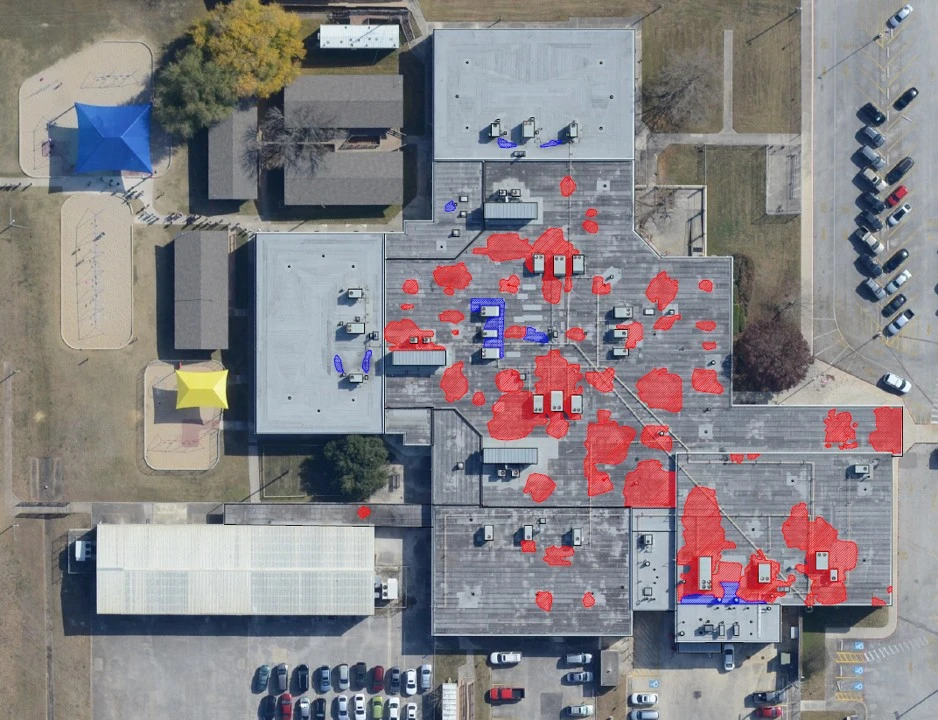
Infrared thermography is pivotal in modern roof inspections, utilizing thermal imaging to capture heat patterns across roof surfaces. These patterns highlight areas where heat is retained, often indicating trapped moisture or compromised insulation. By identifying these thermal anomalies, facility managers and inspectors can proactively address issues before they escalate into significant structural problems.
The science behind infrared thermography involves detecting infrared radiation, which every object emits as heat. Cameras equipped with infrared sensors capture this radiation, translating it into thermograms — visual representations of temperature variations. This nondestructive testing method allows inspectors to assess the roof’s condition without invasive procedures, preserving the integrity of the roofing material.
The Advantages of Aerial Infrared Surveys
Aerial infrared surveys offer a multitude of advantages over traditional inspection methods. Firstly, they provide extensive coverage quickly, making them ideal for large-scale inspections such as commercial roof portfolios or campus-wide infrastructure assessments. Utilizing aircraft-based infrared scanning, these surveys can capture detailed thermal images of expansive roof areas in a single flight.
This method is not only time-efficient but also cost-effective. By reducing the need for scaffolding or extensive manual inspections, businesses can significantly cut down on labor costs and time expenditures. Furthermore, the precision of aerial infrared scanning minimizes the risk of overlooking critical areas, ensuring a comprehensive analysis of the roof’s condition.
Technical Insights: How Infrared Thermography Works
The effectiveness of aerial infrared thermography lies in its ability to detect minute temperature differences across roof surfaces. Infrared cameras aboard aircraft scan the roof, capturing images that reveal thermal anomalies. These anomalies often correlate with moisture intrusion or insulation deficiencies, critical for effective roof moisture detection and analysis.
The process begins with the selection of optimal weather conditions, as clear skies and dry surfaces enhance image accuracy. Once the conditions are set, aircraft equipped with advanced infrared sensors conduct the survey, capturing high-resolution images. These images are then analyzed using specialized software to identify areas of concern.
Evaluating Cost-Effectiveness in Roof Warranty Inspections
When evaluating the cost-effectiveness of aerial infrared survey techniques, several factors come into play. The initial investment in technology and training can be substantial; however, the long-term savings make it a worthwhile investment. By preventing costly repairs through early detection, businesses can manage their asset portfolios more effectively, aligning with predictive maintenance strategies.
Moreover, the ability to conduct inspections without disrupting operations is invaluable. Traditional inspections often require temporary shutdowns, leading to indirect costs associated with downtime. In contrast, aerial infrared surveys can be conducted with minimal interference, preserving business continuity.
Integrating Aerial Infrared Techniques with Asset Management
The integration of aerial infrared techniques into asset management systems optimizes maintenance schedules and extends the lifespan of roofing investments. By providing detailed thermal maps of roofing systems, these surveys enable facility managers to prioritize repairs, allocate resources efficiently, and plan capital expenditures strategically.
Furthermore, incorporating infrared inspection data into asset management software enhances decision-making processes. This integration allows for real-time monitoring of roof conditions, facilitating immediate responses to emerging issues and supporting comprehensive condition assessments.
Future Perspectives: Advancements in Infrared Inspection Services
The future of aerial infrared inspection services is promising, with advancements in technology poised to further enhance inspection accuracy and efficiency. Innovations such as higher-resolution sensors, improved data analytics, and integration with artificial intelligence offer exciting possibilities for predictive maintenance and infrastructure inspection.
As these technologies evolve, businesses can expect even more precise detection of thermal anomalies, leading to better-informed maintenance strategies and reduced lifecycle costs. The continuous development in this field underscores the importance of staying abreast of technological advancements to maintain competitive advantage in asset management and facility maintenance.
In conclusion, aerial infrared survey techniques represent a revolutionary approach to roof warranty inspections, combining precision, efficiency, and cost-effectiveness. By integrating these techniques with predictive maintenance strategies, businesses can not only safeguard their assets but also optimize their operational budgets. To explore how these innovative solutions can benefit your organization, consider consulting with industry experts and leveraging advanced infrared inspection services tailored to your needs.