Introduction
The integrity of campus utility systems is crucial for seamless operations and cost-efficiency. One of the most significant challenges faced by facility managers and engineers is the detection of underground steam leaks. These leaks not only lead to energy loss but can also undermine the safety and functionality of the entire infrastructure. In recent years, the adoption of infrared technology for underground steam leak detection has proven to be a game-changer. This article explores how infrared technology, especially aircraft-based solutions, enhances the early detection of underground steam leaks, offering a cost-effective way to safeguard campus utility systems.
The Importance of Detecting Underground Steam Leaks
Underground steam systems are vital for heating and energy distribution across large campuses such as universities, hospitals, and industrial facilities. When leaks occur, they can result in significant energy losses, increased operational costs, and potential hazards. Identifying these leaks quickly is essential for maintaining operational efficiency and safety. Traditional methods of detection are often reactive, identifying leaks only after they have caused considerable damage. This is where predictive maintenance, facilitated by advanced technologies like infrared thermography, becomes invaluable.
Energy Loss and Operational Costs
Steam leaks can lead to a substantial increase in energy consumption. The loss of steam, which is essentially lost heat, requires additional energy to maintain the desired temperature levels. This not only increases utility bills but also affects the overall carbon footprint of the facility. By using infrared inspection services, campuses can proactively identify and rectify leaks, thus optimizing energy use and reducing costs.
How Infrared Technology Works for Steam Leak Detection
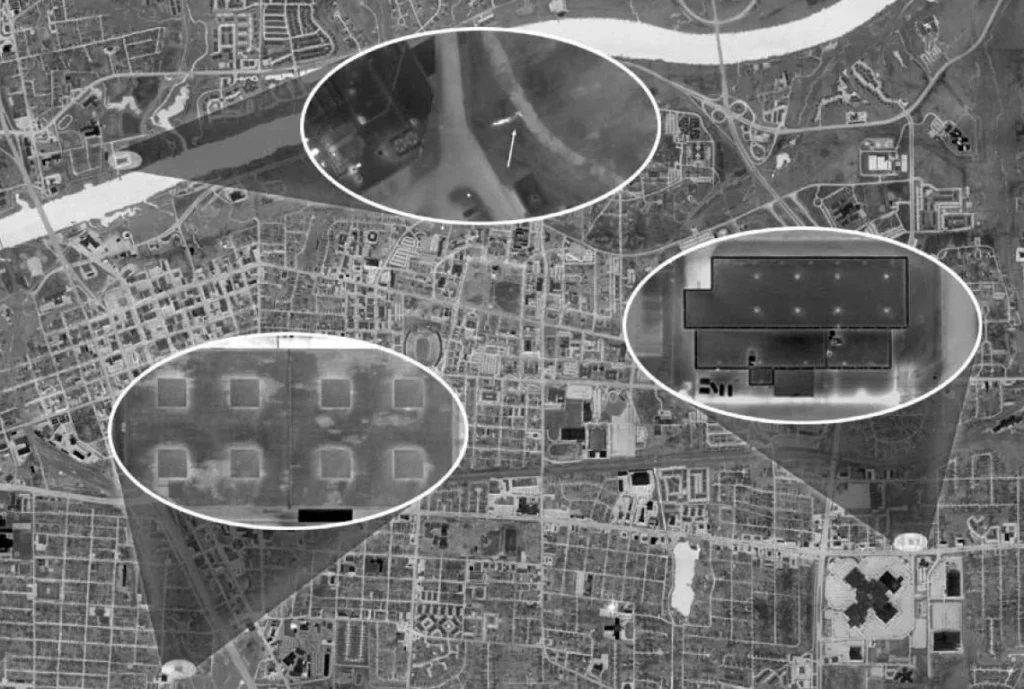
Infrared technology, particularly aerial infrared thermography, enables the detection of temperature anomalies associated with steam leaks. This technology uses thermal imaging to identify heat variations on the surface, which often indicate underlying issues. Aircraft infrared scanning is particularly effective for large-area inspections, providing a comprehensive overview that can be analyzed to pinpoint exact leak locations.
Aerial Infrared Scanning vs. Traditional Methods
Traditional steam leak detection methods often involve manual inspection and the use of handheld devices, which can be time-consuming and limited in scope. In contrast, aerial infrared scanning covers extensive areas quickly and efficiently. Aircraft-based infrared scanning, as offered by AIT Scan, allows for detailed thermal mapping services that can identify leaks across multiple facilities or campuses in a single flight.
Cost-Efficiency of Infrared Technology in Leak Detection
Investing in infrared technology for steam leak detection is a strategic decision that can lead to significant cost savings over time. By identifying leaks early, facilities can avoid the high costs associated with extensive repairs and energy loss. The initial investment in infrared inspection services is often offset by the reduction in utility bills and maintenance expenses.
Return on Investment (ROI)
While the upfront cost of implementing infrared technology may seem high, the return on investment becomes evident when considering the long-term savings. Facilities that have adopted infrared inspection report lower maintenance costs and increased system longevity. Additionally, the data provided by thermal mapping services helps in strategic capital planning and asset management.
Real-World Applications and Success Stories
Many universities and large campuses have successfully implemented infrared technology for steam leak detection. For instance, a major university that engaged in an aerial infrared survey discovered multiple hidden leaks that were previously undetected. The findings led to targeted repairs, resulting in a significant reduction in energy usage and operational costs.
AIT Scan’s Role in Infrared Steam Leak Detection
AIT Scan has been at the forefront of providing nationwide infrared inspection services for over 37 years. Their expertise in aircraft-based infrared scanning offers unparalleled coverage and accuracy, making them a preferred choice for facility managers looking to enhance their campus utility inspections. For more information on how AIT Scan can assist with steam leak detection, visit AIT Scan’s Steam Leak Detection Services.
Integrating Infrared Technology with Predictive Maintenance
Infrared technology is not just about detecting existing leaks; it is a crucial component of a comprehensive predictive maintenance strategy. By regularly conducting infrared inspections, facilities can monitor the condition of their steam systems and address potential issues before they escalate. This proactive approach helps in maintaining system efficiency and extending the lifespan of campus utility infrastructures.
Predictive Maintenance and Asset Management
Predictive maintenance relies on accurate data to forecast equipment failures and plan maintenance activities. Infrared thermography services provide the insights needed for effective asset management, allowing facility managers to allocate resources efficiently and avoid unexpected breakdowns.
Conclusion
Safeguarding campus utility systems from the detrimental effects of underground steam leaks is a priority for facility managers and engineers. Infrared technology, with its ability to detect leaks early and efficiently, offers a cost-effective solution that enhances operational efficiency and safety. By integrating this technology into a predictive maintenance strategy, campuses can achieve significant energy savings and extend the lifespan of their infrastructure. To explore how AIT Scan’s aerial infrared surveys can benefit your facility, consider reaching out for a consultation. For further insights, visit AIT Scan’s Campus Utility Inspection Services.