The Power of Predictive Maintenance: Using Aerial Infrared Thermography to Prevent Energy Loss
In the dynamic landscape of facility management and asset maintenance, the need for innovative solutions to minimize energy loss has never been more pressing. Aerial infrared thermography is emerging as a powerful tool in predictive maintenance strategies, offering a proactive approach to identifying energy inefficiencies before they become costly problems. This article delves into the cost-benefit analysis of implementing aerial infrared thermography, demonstrating its potential in preventing energy loss across various sectors.
Understanding Aerial Infrared Thermography
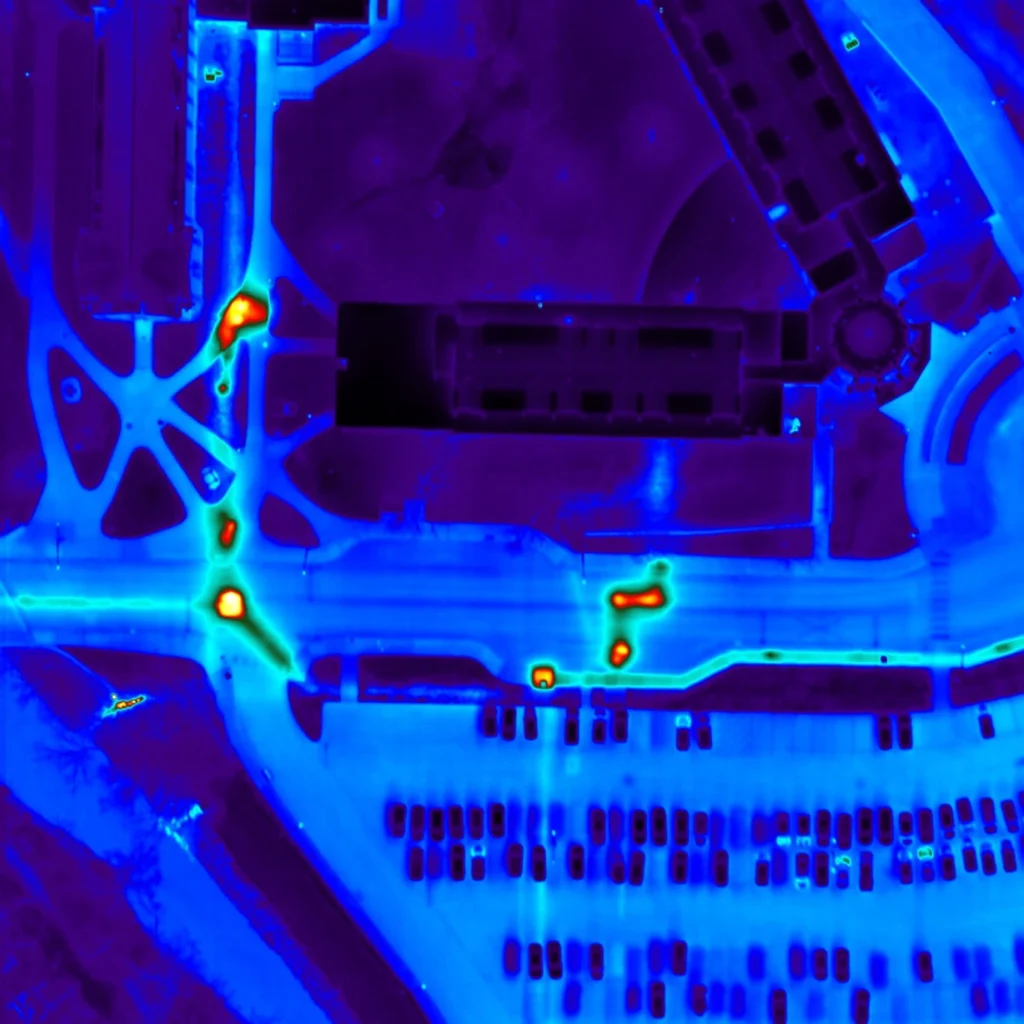
At the core of predictive maintenance lies the need to accurately identify potential failures and inefficiencies. Aerial infrared thermography leverages advanced thermal imaging technology to detect variations in temperature across large areas. This process involves using aircraft-based infrared scanning to capture thermal images, highlighting anomalies that may indicate energy loss or equipment malfunction.
Unlike traditional inspection methods, aerial infrared scanning covers vast areas quickly and efficiently, making it ideal for large commercial facilities, campuses, and infrastructure systems. By detecting thermal anomalies, facility managers can pinpoint areas of concern, such as poorly insulated roofs, underground steam leaks, or faulty solar panels, and take corrective action before failures occur.
The Benefits of Aerial Infrared Thermography
- Wide Coverage: Aircraft-based infrared scanning provides comprehensive coverage of large and complex areas in a single flight, reducing the need for multiple inspections.
- High Accuracy: Thermal imaging can detect minute temperature differences, enabling the identification of issues that may not be visible through conventional methods.
- Cost Efficiency: By identifying problems early, aerial infrared thermography helps avoid the costs associated with major repairs and downtime.
- Non-Invasive: This non-destructive testing method does not disrupt operations, making it an ideal choice for active facilities.
Applications in Preventive Maintenance
Predictive maintenance using aerial infrared thermography is applicable in various domains. Here are a few key areas where its implementation can significantly reduce energy loss:
Commercial Roof Moisture Detection
Roof integrity is crucial for energy efficiency in commercial buildings. Aerial infrared roof scanning identifies wet insulation and other moisture-related issues that can lead to heat loss. By utilizing services such as commercial roof moisture surveys, facility managers can prioritize repairs and optimize insulation, thus preventing heat escape and reducing energy costs.
Underground Steam Leak Detection
For facilities reliant on steam for heating or industrial processes, undetected steam leaks can result in substantial energy wastage. Aerial steam leak detection identifies hot spots and leaks in underground steam pipes, allowing for timely repairs. This proactive approach not only saves energy but also prevents potential damage to infrastructure.
Solar Field Infrared Surveys
Energy production facilities such as solar farms benefit significantly from predictive maintenance. Aerial infrared surveys of solar fields help identify faulty panels and optimize performance. By maintaining the efficiency of solar assets through regular inspections, energy losses are minimized, and the return on investment is maximized.
Cost-Benefit Analysis of Aerial Infrared Thermography
Decision-makers often weigh the costs of implementing new maintenance technologies against potential savings. Aerial infrared thermography presents a compelling case:
Return on Investment (ROI)
While initial costs may appear significant, the ability to prevent energy loss and avoid costly repairs leads to substantial savings over time. The ROI of aerial infrared thermography is enhanced by its role in optimizing energy efficiency and extending the lifespan of critical infrastructure components.
Long-Term Savings
Regular use of infrared inspection services aids in maintaining equipment at optimal performance levels. This proactive maintenance strategy reduces unexpected breakdowns, thereby lowering maintenance costs and improving operational reliability.
Enhanced Decision-Making
Comprehensive data from thermal mapping services allows facility managers to make informed decisions regarding maintenance priorities and capital planning. This data-driven approach enhances strategic planning and resource allocation.
Choosing the Right Provider
The effectiveness of aerial infrared thermography heavily depends on the expertise of the service provider. AIT Scan, with over 37 years of nationwide experience, stands out as a leader in aircraft-based infrared scanning. Their expertise in large-scale aerial thermal imaging, aerial infrared roof scanning, and other specialized services ensures accurate and reliable results.
Why Aircraft-Based Scanning?
While drones offer flexibility, aircraft-based infrared scanning is advantageous for large or geographically distributed assets. This method provides better coverage and efficiency for extensive facilities, making it the preferred choice for comprehensive inspections.
Tailored Solutions
AIT Scan offers customized solutions to meet diverse needs, whether it’s a multi-building roof inspection or a campus-wide utility assessment. Their ability to adapt to specific client requirements underscores their commitment to delivering value-driven results.
Conclusion
The integration of aerial infrared thermography into predictive maintenance strategies represents a significant advancement in energy management and asset preservation. By addressing potential issues before they escalate, facility managers can achieve substantial cost savings and enhance the longevity of their assets. As decision-makers consider the implementation of this technology, partnering with experts like AIT Scan ensures comprehensive coverage and reliable insights, paving the way for sustainable facility management and energy efficiency.