Introduction
The solar energy industry is continuously evolving, demanding innovative approaches to enhance efficiency and reliability. One such advancement is the integration of infrared thermography services into Solar EPC (Engineering, Procurement, and Construction) inspections. By leveraging cutting-edge aerial infrared thermography, project managers can significantly improve quality assurance and optimize asset management. This article delves into the benefits and best practices of utilizing infrared thermography monitoring to modernize solar EPC inspections.
Understanding Infrared Thermography in Solar EPC Inspections
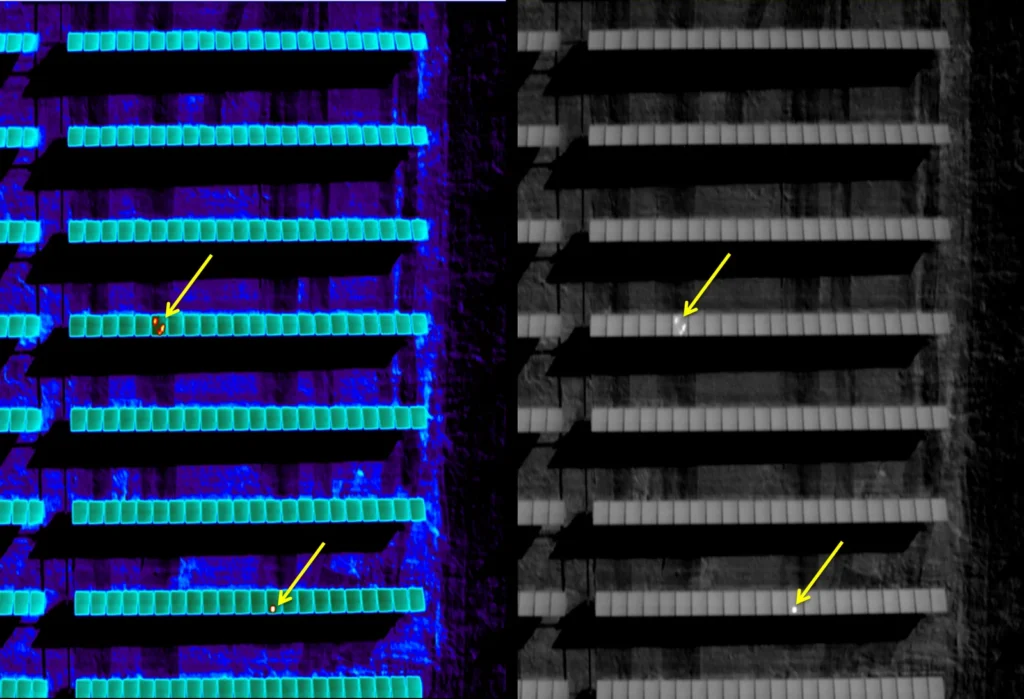
Infrared thermography is a non-destructive testing method used to detect thermal anomalies in various assets. In the context of solar EPC inspections, this technology assists in identifying potential issues such as defective solar cells, panel hotspots, and faulty connections that may not be visible to the naked eye. By capturing thermal images, stakeholders can proactively address concerns before they escalate into costly repairs or downtime.
The Role of Aerial Infrared Thermography
Aerial infrared thermography involves using aircraft to survey large solar fields, providing comprehensive coverage that is both efficient and effective. This method is particularly advantageous for large-scale solar farms where ground inspections are impractical. AIT Scan, a leader in nationwide infrared inspection, utilizes aircraft-based infrared scanning to deliver high-resolution thermal images that aid in precise decision-making.
Enhancing Quality Assurance with Real-Time Monitoring
Incorporating real-time monitoring into solar EPC inspections revolutionizes quality assurance processes. By deploying aerial infrared scanning at various stages of the project lifecycle, from commissioning to routine maintenance, stakeholders can maintain high operational standards and extend the lifespan of solar assets.
Improved Detection of Thermal Anomalies
- Identifying Panel Hotspots: Infrared thermography can detect hotspots on solar panels, which may indicate underlying issues such as shading or electrical faults.
- Assessing Electrical Connections: Faulty connections can lead to significant energy loss, and thermography helps pinpoint these inefficiencies.
Proactive Maintenance and Reduced Downtime
By identifying thermal anomalies early, facilities can implement predictive maintenance strategies to prevent unexpected failures. This proactive approach not only reduces downtime but also ensures optimal energy production, enhancing overall asset performance.
Implementing Best Practices for Infrared Thermography in Solar EPC
To maximize the benefits of infrared thermography in solar EPC projects, it is crucial to adopt certain best practices. These practices ensure that inspections are thorough, accurate, and aligned with industry standards.
Conducting Regular Inspections
Regular inspections using aerial infrared surveys are essential for maintaining the integrity of solar installations. Scheduling routine thermal inspections allows for early detection of issues, thereby minimizing potential disruptions.
Adhering to Industry Standards
Compliance with standards such as IEC 62446-3 for thermography ensures that inspections meet quality benchmarks, providing reliable data for decision-making. AIT Scan adheres to such standards, offering dependable inspection services.
Comparing Infrared Inspection Methods
Various methods are available for conducting infrared inspections, each with its unique advantages. Understanding these differences helps in selecting the most suitable approach for specific project needs.
Aircraft vs. Drone-Based Inspections
While drones offer flexibility and access to difficult-to-reach areas, aircraft-based infrared scanning, as provided by AIT Scan, is ideal for large-scale inspections due to its ability to cover extensive areas swiftly and effectively.
Handheld vs. Aerial Infrared Surveys
Handheld infrared inspections are suitable for localized assessments, but aerial surveys offer broader coverage and are more efficient for large installations, making them preferable for comprehensive inspections.
Applications Beyond Solar EPC Inspections
Infrared thermography is not limited to solar EPC inspections. It has broader applications across various industries, enhancing facility management and asset integrity.
Roof and Utility Inspections
Aerial infrared roof scanning and underground utility inspections are critical for identifying moisture issues and leaks, respectively. AIT Scan specializes in these services, ensuring optimal facility performance and safety.
Steam and Leak Detection
Infrared technology aids in detecting steam leaks and other underground anomalies, essential for maintaining energy efficiency and preventing environmental hazards.
Conclusion
Modernizing solar EPC inspections with infrared thermography services offers a strategic advantage in maintaining asset integrity and optimizing energy production. By adopting real-time monitoring and adhering to best practices, stakeholders can enhance quality assurance, reduce downtime, and improve project outcomes. To explore how AIT Scan’s expertise in aerial infrared thermography can benefit your solar projects, consider reaching out for a consultation. Enhance your inspections today and ensure your solar assets are performing at their peak.