Introduction: The Role of Aerial Infrared Thermography in Solar Asset Management
In the rapidly growing field of solar energy, efficient asset management is paramount to maximizing the return on investment and ensuring long-term sustainability. Aerial infrared thermography has emerged as a cutting-edge technology that can revolutionize solar asset management by providing detailed thermal imaging of solar farms. This comprehensive approach not only enhances predictive maintenance strategies but also aids in optimizing the performance of solar panels. In this article, we will delve into the cost-benefit analysis of implementing aerial infrared thermography in solar asset management, highlighting its advantages over traditional inspection methods.
Understanding Aerial Infrared Thermography
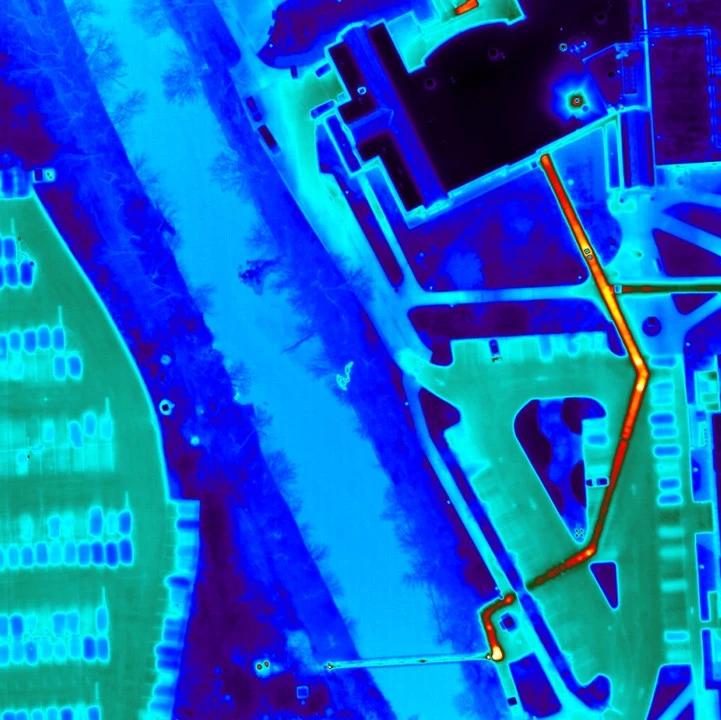
Aerial infrared thermography involves the use of aircraft equipped with infrared cameras to capture thermal images of large solar installations. Unlike ground-based inspections, this method allows for rapid, large-scale surveys of solar fields, identifying thermal anomalies that may indicate underlying issues. These anomalies can include hot spots, string failures, or panel degradation, which, if left unchecked, could lead to reduced energy output and increased maintenance costs.
Advantages of Aerial Infrared Thermography
- Comprehensive Coverage: Aircraft-based infrared scanning offers extensive coverage of solar fields, making it ideal for large-scale operations.
- Efficiency: This method reduces inspection time significantly compared to manual or drone-based inspections.
- Accuracy: High-resolution thermal imaging provides precise data, enabling targeted maintenance actions.
Evaluating the Cost-Benefit Analysis
The implementation of aerial infrared thermography in solar asset management involves an initial investment in technology and services. However, the long-term benefits often outweigh these costs. By detecting issues early, solar operators can avoid extensive repairs and downtime, leading to substantial cost savings. Let’s explore how these benefits translate into a favorable cost-benefit scenario.
Cost Savings Through Preventive Maintenance
One of the most significant advantages of aerial infrared thermography is its ability to support preventive maintenance strategies. By identifying potential issues before they escalate, operators can perform targeted repairs, reducing the need for costly overhauls. This proactive approach not only extends the lifespan of solar panels but also enhances overall system efficiency.
Real-World Applications in Solar Fields
Numerous solar farms have already adopted aerial infrared thermography, witnessing marked improvements in their asset management practices. For example, a large solar farm in California utilized aircraft infrared scanning to conduct an aerial infrared survey. The thermal mapping services identified several hot spots, which, upon inspection, were found to be due to faulty connections. By addressing these issues promptly, the farm prevented potential energy losses and optimized its output.
Case Study: AIT Scan’s Impact
AIT Scan, a nationwide leader in aerial infrared thermography with over 37 years of experience, has been instrumental in pioneering such projects. Their comprehensive aerial infrared roof scanning and solar field infrared surveys have consistently demonstrated the technology’s value in enhancing asset performance and reliability.
Learn more about AIT Scan’s services and their benefits for solar fields: Solar Field Infrared Surveys.
Comparing Inspection Methods: Aircraft vs. Drones
While drones are often used for smaller-scale inspections, aircraft-based infrared scanning provides distinct advantages, especially for large solar installations. Aircraft can cover vast areas more quickly and efficiently, ensuring a comprehensive infrared inspection that drones may not achieve due to battery limitations and regulatory constraints.
The Right Tool for the Task
Choosing between aircraft and drones depends on the specific needs of a solar project. For large-scale solar farms or geographically dispersed assets, aircraft provide superior coverage and efficiency. However, drones may suffice for smaller, localized inspections. AIT Scan’s expertise in determining the appropriate method for each project ensures optimal results.
Enhancing Predictive Maintenance Strategies
Predictive maintenance is a cornerstone of effective solar asset management. Aerial infrared thermography provides critical data that enhances these strategies by facilitating condition assessments and enabling data-driven decisions. The ability to predict failures before they occur significantly improves operational efficiency and reduces unexpected downtime.
Discover how infrared thermography can enhance your predictive maintenance workflows: Predictive Maintenance Workflows.
Conclusion: The Future of Solar Asset Management
As the solar industry continues to expand, the adoption of advanced technologies like aerial infrared thermography will become increasingly critical. By offering a comprehensive and efficient approach to asset management, this technology not only reduces costs and enhances performance but also ensures the sustainability of solar investments. For those responsible for large-scale solar operations, partnering with experienced providers like AIT Scan can unlock new levels of efficiency and reliability. Explore how AIT Scan can transform your solar asset management practices: Aerial Infrared Roof Scanning Benefits.