Introduction
Managing large-scale facilities comes with its own set of challenges, especially when it comes to maintaining roofs. Infrared roof inspection offers a data-driven approach to preventive maintenance, ensuring that potential issues are identified and addressed before they escalate into costly problems. This guide explores how infrared roof inspections can be an integral part of developing a comprehensive preventive maintenance strategy.
Understanding Infrared Roof Inspection
Infrared roof inspection is a nondestructive testing method that utilizes thermal imaging to detect temperature variations across roof surfaces. These variations often indicate moisture intrusion or insulation defects, which can compromise the integrity of the roofing system. By identifying these anomalies early, facility managers can prioritize repairs and allocate resources more efficiently.
How It Works
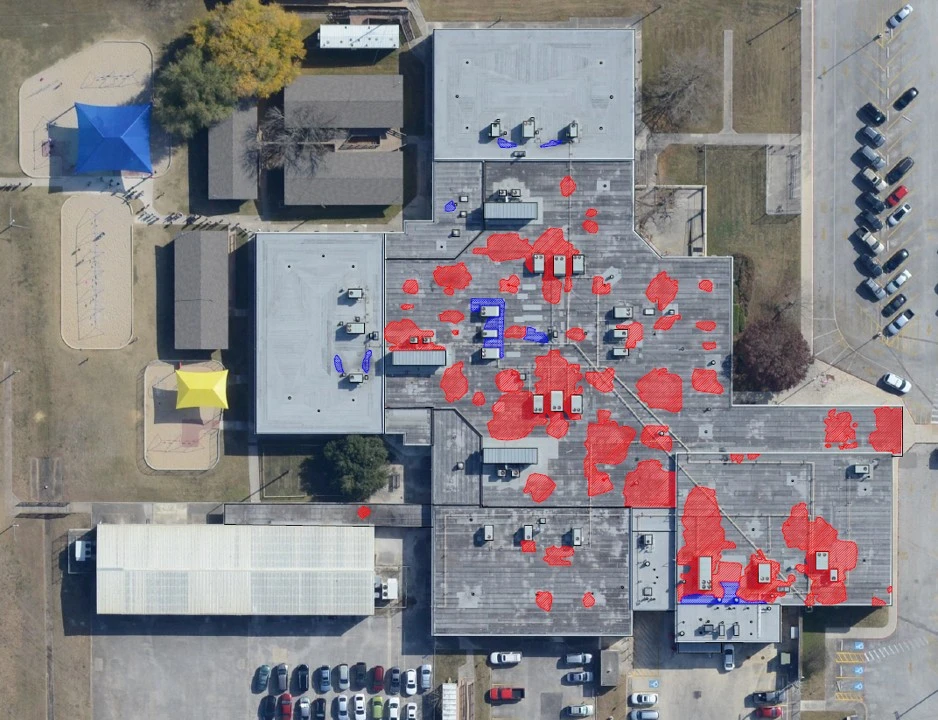
Infrared roof inspections are conducted using specialized equipment that captures thermal images of the roof. These images are analyzed to identify “hot spots,” which may indicate underlying issues such as wet insulation or leaks. This method is particularly useful in large commercial settings where traditional inspection methods may be impractical or less effective.
Applications in Facility Management
For facility managers, understanding the condition of a roof is vital for asset management and capital planning. Infrared inspections provide actionable insights, allowing for informed decision-making and effective allocation of maintenance budgets. This approach not only extends the lifespan of the roofing system but also enhances its performance.
The Role of Infrared Inspection in Preventive Maintenance
Integrating infrared roof inspections into a preventive maintenance strategy enables proactive management of building assets. This approach focuses on preventing issues before they occur, rather than reacting to problems as they arise.
Data-Driven Decision Making
By incorporating data from infrared inspections, facility managers can create a predictive maintenance schedule that aligns with the condition of the roof. This data-driven approach minimizes downtime and reduces the risk of unexpected repairs, ultimately saving time and resources.
Real-World Examples
Consider a university campus with multiple buildings. Using aerial infrared scanning, facility managers can conduct a comprehensive assessment of the entire campus roof portfolio. This data can then inform targeted maintenance efforts, ensuring that the most critical areas receive attention first.
Advantages of Aerial Infrared Surveys
Aerial infrared surveys provide several advantages over traditional inspection methods, particularly for large or complex facilities.
Comprehensive Coverage
AIT Scan’s aircraft-based infrared scanning allows for extensive coverage of large areas in a single flight. This method is particularly beneficial for facilities with multiple buildings or sprawling campuses, as it provides a holistic view of the roofing systems.
Efficiency and Speed
Aerial infrared surveys are conducted quickly and efficiently, reducing disruption to facility operations. The speed of data acquisition and analysis enables facility managers to act swiftly on the findings, integrating them into ongoing maintenance plans.
Implementing Infrared Data in Maintenance Strategies
Once the infrared data is collected, the next step involves integrating it into your preventive maintenance strategy.
Prioritizing Repairs
Infrared data helps prioritize repairs based on the severity and location of detected anomalies. This targeted approach ensures that resources are allocated to the areas that need them most, enhancing the overall efficiency of maintenance efforts.
Budget Planning and Allocation
With precise data from infrared inspections, facility managers can develop more accurate maintenance budgets. This proactive planning reduces the likelihood of unexpected expenses and aligns maintenance efforts with financial resources.
Challenges and Considerations
While infrared roof inspections offer numerous benefits, there are considerations to keep in mind when implementing this technology.
Weather and Environmental Factors
Environmental conditions can affect the accuracy of infrared readings. For example, inspections should ideally be conducted when the roof is dry and during specific temperature conditions to ensure reliable data.
Choosing the Right Service Provider
Partnering with an experienced provider like AIT Scan ensures that the inspections are performed by skilled professionals using advanced technology. Their nationwide infrared inspection services are tailored to meet the unique needs of large commercial facilities and campuses.
Conclusion
Infrared roof inspection is a powerful tool for developing a data-driven preventive maintenance strategy. By providing detailed insights into the condition of roofing systems, it empowers facility managers to make informed decisions that enhance the longevity and performance of their assets. To learn more about how AIT Scan can support your maintenance efforts with comprehensive infrared inspection services, visit our page on predictive maintenance.