In today’s fast-paced world, asset management and maintenance have become crucial for organizations managing large commercial facilities, infrastructure systems, and utility-scale solar fields. Aerial infrared data plays a pivotal role in prioritizing repairs effectively, ensuring safety, longevity, and cost efficiency. This guide explores the transformative power of aerial infrared thermography in risk assessment for asset repair prioritization, offering insights into its applications and benefits.
Understanding Aerial Infrared Data and Its Importance
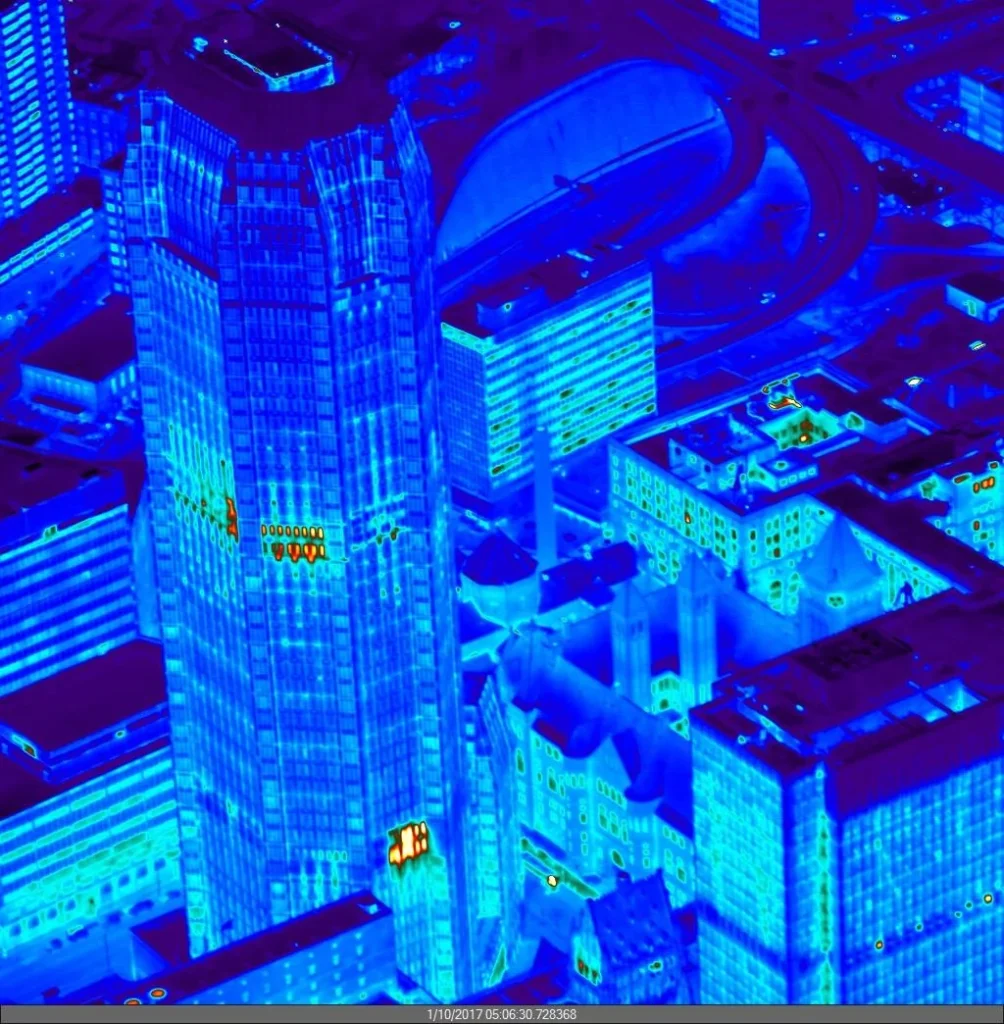
Aerial infrared thermography involves capturing thermal images from aircraft to detect temperature variations across large areas. This nondestructive testing method identifies anomalies not visible to the naked eye, facilitating early detection of potential issues. AIT Scan, with over 37 years of industry experience, leverages aircraft-based infrared scanning to provide comprehensive insights into asset conditions, enabling informed decision-making for facility managers and engineers.
The Business Problem
Facility managers often face challenges in maintaining extensive infrastructure, roofs, and underground utilities. Traditional inspection methods can be time-consuming, labor-intensive, and costly. Aerial infrared data offers a solution by providing a bird’s-eye view of assets, allowing for efficient identification of problem areas. This proactive approach helps in avoiding unexpected failures and optimizing maintenance budgets.
Why It Matters
Proactive asset management is essential for minimizing downtime, reducing repair costs, and ensuring operational efficiency. By prioritizing repairs based on data-driven insights, organizations can allocate resources more effectively, improve safety standards, and extend the lifespan of critical infrastructure. Aerial infrared thermography empowers facility managers to make informed decisions, ultimately enhancing the value and reliability of their assets.
Applications of Aerial Infrared Data in Asset Repair Prioritization
The versatility of aerial infrared data extends across various sectors, providing valuable insights for different asset types. Let’s explore some of the primary applications in detail.
Aerial Infrared Roof Moisture Scanning
Roofs are often the first line of defense against environmental elements, and their maintenance is crucial. Aerial infrared roof scanning identifies wet insulation and potential leaks, enabling targeted repairs. This method is particularly beneficial for multi-building complexes and commercial roof portfolios, where visual inspections fall short. By detecting moisture early, facility managers can prevent structural damage and costly replacements.
Underground Steam Leak Detection
Steam distribution systems are vital for heating and energy transfer in many facilities. Aerial infrared data helps in detecting underground steam leaks, which can lead to significant energy loss and safety hazards. By pinpointing leak locations, AIT Scan assists in timely repairs, reducing energy wastage and mitigating risks associated with steam leaks.
Solar Field Infrared Surveys
Solar farms require regular inspections to ensure optimal performance and safety. Aerial infrared surveys capture thermal anomalies in solar panels, indicating potential issues such as hotspot formation, electrical failures, or physical damage. This information aids in preventive maintenance and enhances solar asset management by ensuring maximum energy output and extending equipment life.
Additional Applications
- High-Temperature Hot-Water Leak Detection: Identifying leaks in hot-water systems to prevent energy loss.
- District Energy Inspection: Ensuring the efficiency and safety of energy distribution networks.
- Thermal Pollution Detection: Monitoring environmental impacts and compliance with regulations.
Advantages of Aircraft-Based Infrared Scanning
While drones are popular for localized inspections, aircraft-based infrared scanning offers distinct advantages for large-scale projects. AIT Scan’s approach enables expansive coverage, capturing data across vast areas quickly and efficiently. This method is ideal for geographically distributed assets, providing a comprehensive overview that drones may not achieve.
Enhanced Coverage and Efficiency
Aircraft can survey extensive areas in a single flight, making them suitable for campuses, utility networks, and large commercial facilities. This efficiency reduces inspection time and labor costs, allowing for more frequent and detailed assessments.
Scalability for Large Projects
For organizations managing multiple sites or large infrastructures, aircraft-based scanning provides a scalable solution. By offering consistent data quality and comprehensive reporting, AIT Scan ensures that decision-makers have the information needed for effective asset management and repair prioritization.
The Role of Aerial Infrared Data in Predictive Maintenance
Predictive maintenance relies on accurate data to anticipate failures and schedule repairs before issues escalate. Aerial infrared thermography is integral to this approach, offering valuable insights into asset conditions. By analyzing thermal images, facility managers can identify trends, predict potential failures, and plan maintenance activities strategically.
Improving ROI and Resource Allocation
Implementing predictive maintenance through aerial infrared data helps in optimizing resource allocation and improving return on investment. By preventing unexpected breakdowns, organizations can avoid costly emergency repairs and downtime, leading to significant cost savings.
Supporting Capital Planning and Energy Management
Infrared data assists in capital planning by providing a clear understanding of asset conditions, helping prioritize investments. Additionally, it supports energy management by identifying areas of heat loss, enabling targeted energy-saving measures.
Implementing Aerial Infrared Data for Actionable Insights
Transitioning from detection to action involves interpreting infrared data to make informed repair and maintenance decisions. AIT Scan’s comprehensive reporting provides detailed analysis and actionable recommendations, empowering decision-makers to address issues proactively.
Data Interpretation and Reporting
AIT Scan’s reports highlight critical findings, including thermal anomalies and potential risks. By combining thermal data with expert analysis, facility managers receive a clear roadmap for prioritizing repairs and maintenance tasks.
Integrating Infrared Insights into Maintenance Workflows
Integrating aerial infrared data into existing maintenance workflows enhances efficiency and effectiveness. By aligning repair activities with data-driven insights, organizations can streamline processes, minimize downtime, and ensure assets are maintained at optimal conditions.
Conclusion
Aerial infrared data is revolutionizing asset repair prioritization, offering facility managers a powerful tool for proactive maintenance and management. By leveraging AIT Scan’s expertise in aircraft-based infrared scanning, organizations can enhance their predictive maintenance strategies, improve ROI, and ensure the longevity of their assets. To explore how aerial infrared data can transform your asset management approach, consider consulting with AIT Scan for tailored solutions that fit your unique needs.