Predictive Maintenance with Infrared Inspection: Reducing Energy Loss in District Energy Systems
In the realm of district energy systems, efficiency is paramount. As these systems become more complex and expansive, the need for effective predictive maintenance strategies has never been more critical. Introducing infrared inspection as a key component of predictive maintenance offers a robust solution to reduce energy loss, enhance operational efficiency, and safeguard against unexpected failures. This article delves into the cost-benefit analysis of implementing infrared inspection, highlighting long-term energy savings and operational efficiency.
Understanding Infrared Inspection in District Energy Systems
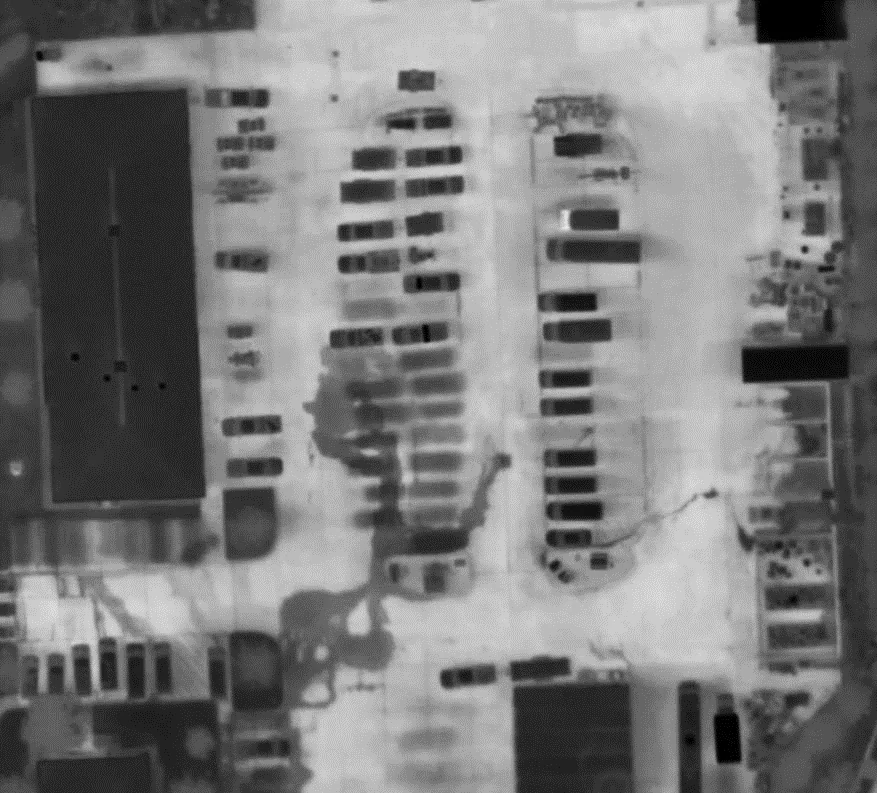
District energy systems, which provide heating, cooling, and power to urban areas, campuses, and industrial complexes, are pivotal in managing energy resources efficiently. However, due to their extensive networks of pipes and cables, they are susceptible to energy losses through leaks and insulation failures. Infrared inspection, particularly through aerial infrared thermography, offers a non-invasive solution to identify these issues. By capturing thermal images, this technology pinpoints anomalies, such as hot spots or leaks, that may indicate energy loss.
The Role of Aerial Infrared Thermography
AIT Scan, with over 37 years of experience, leverages aircraft-based infrared scanning to provide comprehensive coverage of large areas. This method surpasses traditional inspections by offering wide-area assessments quickly and accurately, essential for large district energy systems. Aerial infrared thermography is particularly effective for underground steam leak detection and roof moisture analysis, helping facility managers identify problem areas without disrupting operations.
- Large-scale aerial thermal imaging provides a macro view of energy systems.
- Aircraft-based infrared scanning is ideal for vast infrastructure networks.
- Infrared thermography services help in early detection of potential failures.
Cost-Benefit Analysis: Investing in Infrared Inspection
Implementing infrared inspection services in predictive maintenance strategies involves a detailed cost-benefit analysis. While the initial investment in aerial infrared surveys might seem significant, the long-term benefits substantially outweigh the costs. The primary advantage lies in the prevention of energy loss, which can lead to substantial savings over time.
Operational Efficiency and Energy Savings
Infrared inspection enhances operational efficiency by identifying and rectifying leaks before they expand into major failures. This proactive approach not only minimizes downtime but also reduces repair costs associated with extensive damage. Furthermore, the ability to detect wet insulation, a common issue in commercial roof portfolios, aids in reducing energy consumption, thereby lowering utility bills.
Utilizing AIT Scan’s [AI-assisted aerial infrared thermography](https://aitscan.com/ai-assisted-aerial-infrared-thermography-predictive-maintenance/) ensures that facility managers can make data-driven decisions, optimizing their maintenance schedules and capital planning.
Real-World Applications of Infrared Inspection
Infrared inspection has been successfully applied across various sectors, demonstrating its versatility and effectiveness. In district energy systems, it aids in detecting underground steam line leaks, a common source of energy wastage. By employing thermal mapping services, facility managers can visualize heat loss patterns and address them promptly.
Case Study: University Campus Utility Inspection
A prominent university utilized infrared inspection to assess its extensive steam distribution network. Through [aerial steam leak detection](https://aitscan.com/category/predictive-maintenance/), the university identified several leaks, leading to significant energy conservation. This proactive approach not only improved energy efficiency but also extended the lifespan of their infrastructure.
Such examples underscore the importance of integrating infrared inspection into predictive maintenance workflows, aiding in [enhancing safety and efficiency in high-temperature hot-water systems](https://aitscan.com/enhancing-safety-efficiency-high-temperature-hot-water-systems-infrared-inspection/).
Technical Explanation: How Infrared Inspection Works
Infrared inspection involves capturing thermal images that reveal temperature variations across surfaces. These variations are indicative of potential issues such as leaks, moisture intrusion, or insulation failure. The technology relies on detecting infrared radiation, which is invisible to the naked eye but can be captured using specialized cameras.
Advantages over Traditional Inspection Methods
Unlike traditional inspection methods, which may require physical access to difficult-to-reach areas, aerial infrared scanning can cover extensive areas quickly and without interruption to operations. This method provides a comprehensive overview, allowing facility managers to prioritize maintenance tasks effectively.
AIT Scan’s [aerial infrared roof scans](https://aitscan.com/beyond-traditional-inspection-aerial-infrared-roof-scans-facility-management/) offer a non-destructive testing approach, preserving the integrity of the infrastructure while providing valuable insights.
Maximizing ROI with Predictive Maintenance
The integration of infrared inspection into predictive maintenance strategies maximizes return on investment by minimizing unexpected failures and optimizing resource allocation. By identifying issues early, facility managers can schedule repairs during planned maintenance windows, avoiding costly emergency repairs and downtime.
Strategic Asset Management
Implementing predictive maintenance with infrared inspection supports strategic asset management by providing detailed condition assessments. This data-driven approach allows for informed decision-making, ensuring that maintenance budgets are allocated efficiently and effectively.
For more insights into transforming data into actionable decisions, explore AIT Scan’s [from data to decisions workflows](https://aitscan.com/from-data-to-decisions-infrared-thermography-predictive-maintenance-workflows/).
Concluding Thoughts
Predictive maintenance with infrared inspection is a powerful tool for facility managers seeking to reduce energy loss and enhance operational efficiency in district energy systems. By investing in this technology, organizations can achieve long-term energy savings and improve the reliability of their infrastructure. For those ready to harness the benefits of aerial infrared thermography, AIT Scan stands ready to offer expert guidance and comprehensive inspection services.